Pages

Showing posts with label dish soap. Show all posts

Wednesday, December 7, 2011

December 7, 2011: Homemade Stain Solutions

Bookmark and Share
As you begin to take our your Christmas decorations after being stored for a year or so, you may see that some of the items are stained. Luckily, getting your holiday décor in tip-top shape for parties or guests is a breeze when you use simple household ingredients.

Note: I was reminded of many of these recipes after reading last week’s American Profile magazine (I want to give credit where credit is due).

Coffee Cup Stains

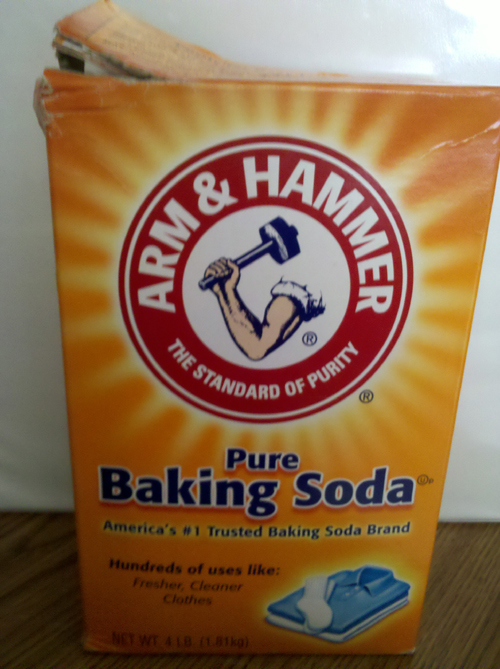
One of my favorite holiday displays is a collection of snowman coffee mugs I put in the hutch cabinet in my kitchen. But during the holidays, I often serve my guests hot chocolate and tea, which tend to leave stains in the bottom of the cups. The solution? A teaspoon of baking soda and water to fill the cup will do the trick. For really stubborn stains, fill the cup with plain white vinegar and allow to sit overnight.

White Tablecloths and Linens

Tablecloths that are stored for long periods of time tend to get yellow. Make them bright white again by soaking in a basin of cool water to which the juice of one lemon has been added (you can also do this in your washing machine prior to running a regular washing cycle). Use a tablespoon of vinegar in the rinse cycle for even more brightening.

Before washing a load of whites, let them soak for half an hour first in the washing machine with 1 to 2 cups hydrogen peroxide added to the normal amount of laundry detergent.

To remove grease stains from napkins, rub in a bit of liquid dish detergent before laundering.
 
Carpet Stains

I haven’t tried this one myself yet, but Mary Findley, quoted in the American Profile article, claims that shaving cream works well to remove stains from furniture because it stays on top of the fabric. The same concept should hold true for carpet; just be sure to test it on an inconspicuous spot first in case it has an adverse effect on the dye.

Plain sudsy ammonia, diluted with warm water, works well on small carpet stains. Spray it on and then use an absorbent white cloth to absorb the liquid (use the bottom of your foot to dab at the stain with the cloth). Repeat as many times as necessary to remove the stain. This works well on spilled red wine, juice or soda.

Saturday, July 16, 2011

July 16, 2011: Garden Recipes

Bookmark and Share

A few weeks ago I shared with you my recipe for a natural insecticide to use on your garden vegetables. I had some difficulty with the formula and/or the spray bottles; for some reason the spray bottles I used (there were two of them) refused to work after a couple times. I’m still not sure if the problem was the liquid I put into them or the bottles themselves.

In search of a new recipe to combat the grasshoppers which are getting fat and happy on my peas and corn and beans, I decided to try sprinkling a bit of hot red chile powder directly on the plants. Voila! This has worked exceptionally well and it’s a very economical solution.

If you can’t find red chile powder, which is dried red chile pods ground up into a fine powder, in your locale, try using whatever is available in your local market. Asian chilis are even hotter and if you can find them at a good price, you could pop them into the blender and sprinkle that over your veggie plants.

With a dismal start to our garden, we decided to go a more conventional route than sprouting seeds and stopped at a nursery just down the street from our house, Sweet Corn Organic Nursery. There we picked up several different types of tomato plants, fennel, lemon balm and lemon basil. We opted to go with a container garden rather than plant them in our garden plot, which needs a lot of help (we’re striving for having the soil ready for next year’s garden).

While we were at Sweet Corn, we talked at some length with the young man tending the nursery. He was the one who let us know it was grasshoppers having a buffet with our vegetable plants. He also said a lot of his customers spray a mixture of water and dishwashing liquid (dish soap) on their plants and have had a lot of success with that. From my experience, that is a great formula for getting rid of those little white flies that like roses and other plants.

So there you go – two new recipes for natural insecticides. After all, why go the bother of planting your own garden only to taint the vegetables with a commercial poison?

Good luck and good eating!

Friday, July 1, 2011

July 1, 2011: Mani-Pedi Recipe

Bookmark and Share

Welcome to July! July means that we are now on the downswing of the year, headed to shorter days and winter. It may be hard to think about snow when it’s so hot right now, but it’s coming sooner rather than later!

July’s birthstone is the brilliant red ruby and the flower of the month is a water lily. Of course the big day is the holiday of Independence Day. Outside of the intense heat, I love the 4th of July – it’s a great time to spend with friends and family and eat, drink, and be merry!

Skin-baring clothing that beats the heat means that your hands and feet are going to be exposed and they need to look their best. But rather than shelling out big bucks and waiting for the next appointment at the beauty salon, why not take care of your mani-pedi at home?

Here’s what you’ll need for a Home Manicure and Pedicure:

Nail Polish Remover
Cotton balls or pads
Emery board
Cuticle remover cream (can substitute petroleum jelly)
A big bowl or pan or bucket (I use my dog’s water dish, washed, of course)
Dish soap
Almond or apricot oil
Old towel
Wooden cuticle stick
Buffer board
Nail polish

Set aside an hour to spend on yourself before getting started. If you rush, your polish is going to smear and then you’ll have to start all over again.

Remove any old polish from your nails and use the emery board to shape them. Rub cuticle remover into the base of your fingernails and toenails.

Fill a big bowl or container with warm water and add a drop of dish soap and a few drops of oil. Place the towel underneath the bowl (if indoors) and place your feet in it. Now sit back and relax for a while (this is a great time to read a book). After 5 to 10 minutes, immerse your hands and swish them around in the water. Take out one foot and push back the cuticles with your orangewood stick. Repeat with other foot. Immerse your hands again and push back the cuticles on your fingernails. Dry all your nails, pushing back your cuticles one more time with the damp towel.

Buff each of your nails. Wash with soap and water to remove any lingering residue, then apply colored polish topped with a clear coat. Sit back and read your book again until the polish is dry.

There now, all done! That didn’t take too long, did it? And it sure was a lot cheaper than going to the nail salon. Okay, it may feel better to have a professional mani-pedi, but if you use nicely scented oils and creams and pretty colors, it feels almost as good to do your own.

Tip: Use a pumice stone during your daily shower to keep those heels from cracking!

Wednesday, June 15, 2011

June 15, 2011: Kitchen Hair Fix Recipes

Bookmark and Share


Summertime and the livin’ is easy – or so goes the classic old Gershwin tune. Indeed it should be easy – dinner can be made on the grill with a minimum of fuss and paper plates are a great way to eat without having to clean up afterward. Summer is also a great time to forgo your usual hair and makeup routines in favor of something more relaxed and less “fixed”. But not all of us were blessed with beautiful skin, hair that don’t need any coaxing to do what we want. For sisters like me, here’s some quick hair and skin fixes that use common kitchen ingredients.

Hair Volumizer

Put carbonated lemon-lime soda or ginger ale in a spray bottle. Spray onto damp hair at the roots. The sugar texturizes your hair and adds volume.

Hair Color Fixes

Just dyed your hair and hate the hue? Maybe your blonde turned green from swimming pool chlorine? Try adding a bit of dishwashing liquid (dish soap) to your shampoo; it’s very harsh and will strip some of the color from your hair. Follow up with a deep conditioning treatment.

If the sun is giving your hair light highlights you don’t care for, take them away with a coffee rinse. Brew a really strong cup of coffee and pour over your hair after shampooing and conditioning. Leave on for 10 minutes before rinsing out.

Freezer Fixes for Skin and Eyes

To tone down facial puffiness, place a sheet of foil in the freezer for a few minutes. Remove and place over your face (make sure you have a hole to breathe through!). Lie down for a little while and let the coolness work its magic to get rid of swelling.

Summer heat tends to soften and even melt our makeup. Keep your eyeliner in the freezer in order to make fine lines along the base of your eyelashes. You might also want to keep your liquid foundation and eye shadow in the refrigerator, too. Not only does this keep it from becoming too runny, it feels really refreshing when you apply it to your face!

Tuesday, March 29, 2011

March 29, 2011: Carpet Cleaning and Care Tips

Bookmark and Share

One thing that continues to amaze me about the house we bought here in the mountains is that whoever owned it before us decided it would be a good idea to replace the carpet before putting it on the market. That’s all good – except that the color they chose is a very light tan, almost off-white.

The problem? Well, for one thing we live on a dirt road. When the wind isn’t blowing dirt throughout the house, the rain turns it into mud, which is tracked in by us and our dogs. For another, the dirt around here is a reddish color which shows up really nicely against the light carpet. And then there’s our pellet stove. Even though I put down newspaper to catch the excess ash accumulation when I clean it, I always manage to get ashes and soot ground into the carpet.

So… needless to say I detest the carpet in my house! Eventually, when it gets really, really bad and we can afford it, the carpet will be replaced but for now I have to live with it – and do what I can to keep it somewhat clean.

As you go about your spring cleaning chores, keep these carpet tips in mind:

• To remove an indentation in the carpet from furniture that’s set in one place too long, drop an ice cube into the indentation. Remove the ice cube before it melts completely; wait for the carpet to dry before vacuuming.

• Before you vacuum, sprinkle the carpet with baking soda. Do this first as you begin to clean a room and by the time you are ready to vacuum, the baking soda will have absorbed all odors.

• For pet stains, sprinkle with baking soda immediately. The baking soda will absorb moisture and deodorize the fibers. When it has dried, vacuum away.

• Various recipes for cleaning carpet stains and spots:
    o Mix a bowl of warm water with 1/cup ammonia and a squirt of dishwashing soap.
    o Squirt the stain with dishwashing soap then scrub with a mixture of 2/3 cup vinegar plus 1/3 cup water.
    o Grate a bit of Fels Naptha bar soap, add borax and hot water to make a paste (you may have to heat this slightly to get the right texture OR shake very vigorously).
    o Use the homemade laundry soap recipe I shared with you earlier this month.

These recipes and tips aren’t going to make your carpet look brand new again (especially if it’s as dirty as mine is!) but they are a good alternative to buying expensive spray cleaners – and they’re always handy since the ingredients are so simple.

Sunday, March 6, 2011

March 6, 2011: Olive or Citronella Oil Wood Furniture Polish

Bookmark and Share

Are you ready to start spring cleaning yet? Let’s start with a natural homemade product that is incredibly simple to make yet is far more effective than any readily-available product on the market: wood furniture polish.

Olive Oil and Lemon Wood Polish

Olive oil (the cheaper the better; no need to use your good EVOO here)
Lemon juice (fresh is nice, but bottled keeps better)
Dishwashing liquid

Select your container. I use an old dishwashing liquid bottle with a squeeze top that works well, but any type of container with a small opening will work.

Fill it up most of the way with olive oil. Squeeze in the juice of one-half of a lemon or add about a quarter cup of bottled lemon juice, depending on the size of your container. The idea is to make a liquid that flows easily but isn’t too thin. Now add a squirt of dishwashing liquid. Shake it all up and it’s ready to use.

This polish is incredibly effective for restoring an old, dry piece of furniture. I use it on a piano stool and old blanket chest that were my husband’s father’s and it has brought these pieces back to life! It’s great for any real wood – furniture, paneling, even floors – but don’t use it on veneers because it will just make them oily. You can, however, use your oily polish rag to remove dust from veneers or just about anything else on which you would normally use a commercial spray furniture polish.

Bug Repellant Wood Polish

This is a variant of the recipe above; simply substitute citronella oil for the olive oil.

This is particularly good for homes with wood paneling (like mine) or floors. I tend to get lots and lots of spiders, especially in the spring and summer months. I use the citronella formula on all the walls and furniture to keep them at bay during warm weather seasons.

Tip: Reserve one or two rags for use with this wood polish. It’s unlikely you’ll ever get all the oil out of the rag, even after washing, but that’s okay as long as you use the same one just for this purpose.

Tuesday, March 1, 2011

March 1, 2011: Natural Cleaning Product Ingredients, Fabric Softener Recipes

Bookmark and Share

Today, the month of March comes blowing in on a strong wind – at least where I live! March represents the beginning of spring (the vernal equinox occurs two-thirds of the way through) and a gradual thawing and warming that sends a signal to bulbs that it’s time to bloom (the official flower of the month of March is the daffodil).

March is actually named after the Roman god of war, Mars and it was considered the first month of the calendar year in ancient Rome. It’s fitting, then, that the month’s birthstones are bloodstone and aquamarine, both of which denote courage.

All right, enough March trivia!

What does spring mean to me? Usually it’s spring cleaning! March is the beginning of the early windy season here in the White Mountains (which can last until May and makes another appearance in the fall) and by the time spring officially arrives, my house needs a thorough cleaning of all the dust that sneaks its way past the windows and doors.


In honor of that age-old tradition, I’m dedicating March blog posts to natural cleaning products and tips. I’ll still include food recipes and the occasional beauty treatment, but I want you to be ready for deep cleaning projects that only cost pennies - so there's no excuse not to clean!

Before we get any further into this month devoted to spring cleaning, I thought it beneficial to compile a list of ingredients you will find helpful to always keep on hand. With these products, you will have a natural arsenal of supplies sufficient for just about any spring cleaning job on your list.

The beauty of using natural products for cleaning is that you really can’t go wrong trying them for any type of application. Most of us know that you can’t combine bleach with various other ingredients because it could create toxic fumes; since I don’t use anything as harsh as bleach, that’s not a concern. The harshest item on this list is ammonia – and I use it sparingly.

It’s doubtful you can ruin anything with natural products, either. In the following list, I’ve indicated what each product does in the way of cleaning so you can determine whether or not a specific ingredient is appropriate for a particular application.


Natural Cleaning Products List

•    Lemon Juice – Mild acid (corrosive to metals), mild antibacterial and antiseptic, water softener, whitening agent, cuts grease
•    White Vinegar – Mild (household formula) acid that dissolves mineral deposits, brightens, cuts grease
•    Borax (sodium borate) – Detergent, insecticide,
•    Washing Soda (sodium carbonate) – Water softener, water descaler, removes oil, grease, and alcohol
•    Baking Soda (sodium bicarbonate) - Disinfectant, antiseptic, acid neutralizer, water softener, odor neutralizer. But don't use on aluminum!
•    Cornstarch– Absorbs grease and moisture, mild abrasive
•    Dishwashing Liquid (dish soap) – Cuts grease
•    Tea Tree Oil – Antiseptic, antibacterial, antifungal, antiviral, pesticide
•    Salt – Sets dyes, removes rust, abrasive, absorbent
•    Castile Soap – Non-foaming cleanser made from plant-based oils, used in place of any type of cleanser for face, body, or household
•    Fabric Softener – Lubricant, conducts electricity
•    Ammonia – Degreaser, produces streak-free shine; use sparingly and never mix with bleach or any product that contains bleach; use in a ventilated area

There may be a few other products that are necessary for specific solutions, but this list represents the core ingredients that will be used in the majority of the natural, homemade cleaning product recipes I’ll share with you here.

And because I owe you a recipe or two, here are two uses for fabric softener. These recipes are economical, too – I’m still using the bottle of fabric softener I bought six months ago!


Dryer Sheets

Instead of buying a box of dryer sheets for the laundry at the store, make your own. Simply use an old washcloth. Before you put your wet laundry into the clothes dryer, dampen the washcloth, then sprinkle it with about a tablespoon of fabric softener. Scrunch up the washcloth so the fabric softener permeates it, then toss it into the dryer. This is far cheaper than using dryer sheets.

Bathroom Cleaner

If you’re like me, you use hairspray on a regular basis (hey, I have to – I’ve got this fine, thin, flyaway hair!). But when I spray it on, it doesn’t just land on my hair – it tends to coat the tile floor in my bathroom, too. Unfortunately, hairspray is tenacious and regular floor cleaners don’t cut through the layers of sticky stuff. The solution? Mix 1 part fabric softener with 2 parts warm water. Spray or pour on the floor where needed. Let it sit for a couple minutes, then wipe it up. Presto! The hairspray softens and comes right up!